Flush Your Water Heater Once a Year and It Will Thank You
Short answer: flushing a tank water heater once a year clears out the sediment that settles at the bottom of the tank, which is the single biggest thing you can do to make it last longer and run efficiently. It takes about 30 to 45 minutes, and most homeowners can do it themselves with a garden hose. Here is how, and the signs that tell you it is overdue.
Why sediment builds up in the first place
Water carries minerals, and every gallon that passes through your tank leaves a little behind. Over months and years that settles as sediment at the bottom of the tank. North Idaho’s water is frequently hard, especially on well systems, so sediment tends to build up faster here than it does in areas with naturally softer water.
That layer of sediment sits directly between the burner or heating element and the water above it, which is why it causes real problems rather than just sitting there harmlessly.
What sediment actually does to your water heater
- Makes it work harder. The sediment insulates the water from the heat source, so the unit burns more gas or electricity to reach the same temperature
- Causes popping or rumbling noises. Water trapped under the sediment layer boils and pushes through it, which is the source of that noise many homeowners notice and ignore
- Shortens the tank’s life. Sediment sitting against the tank bottom contributes to corrosion, which is one of the more common reasons a water heater fails years before it should
- Reduces hot water capacity. A thick sediment layer takes up space that used to hold water, so a 50-gallon tank can start behaving like a smaller one
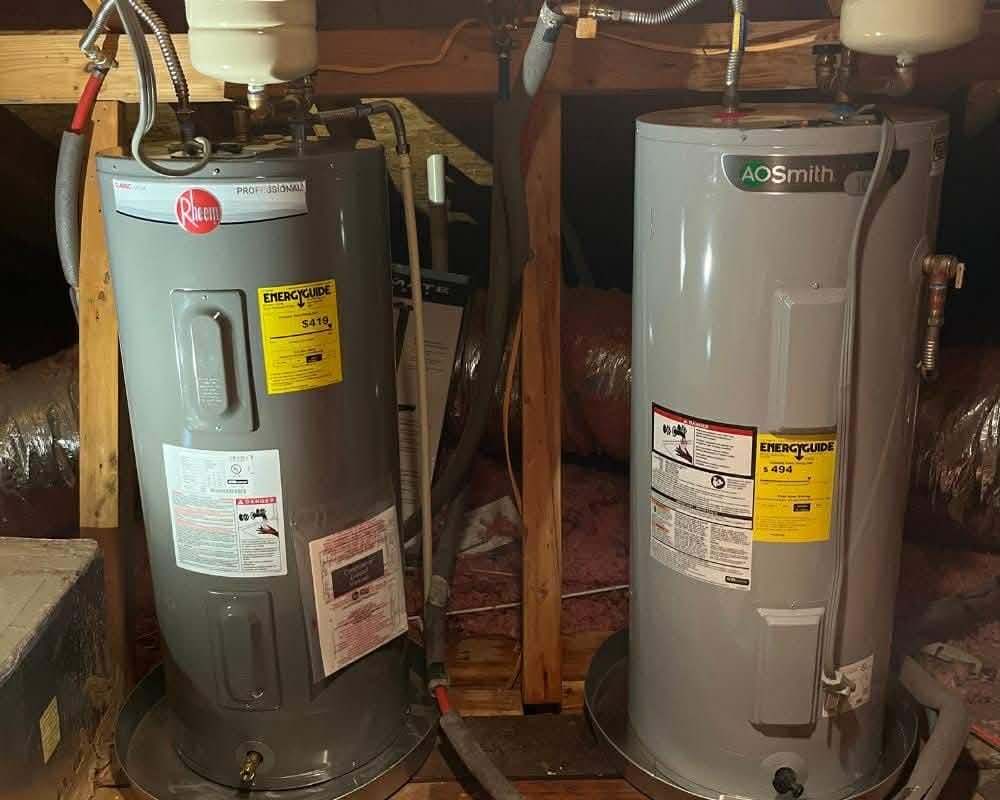
How to flush your water heater
- Turn off the power or gas. Switch off the breaker for an electric unit, or set a gas unit to pilot. Give the water a chance to cool if it was recently used, since the drained water will be hot
- Turn off the cold water supply at the valve on top of the tank
- Connect a garden hose to the drain valve near the bottom of the tank and run the other end to a floor drain or outside
- Open a hot water tap somewhere in the house first, which breaks the vacuum and lets the tank drain properly
- Open the drain valve and let the tank empty completely
- Flush it out. With the tank empty, briefly turn the cold water supply back on in short bursts to stir up and clear any remaining sediment, then let it drain again. Repeat until the water runs clear
- Close the drain valve, disconnect the hose, and refill the tank with the cold supply valve, leaving the hot tap open until water flows steadily from it with no air sputtering
- Restore power or gas once the tank is completely full
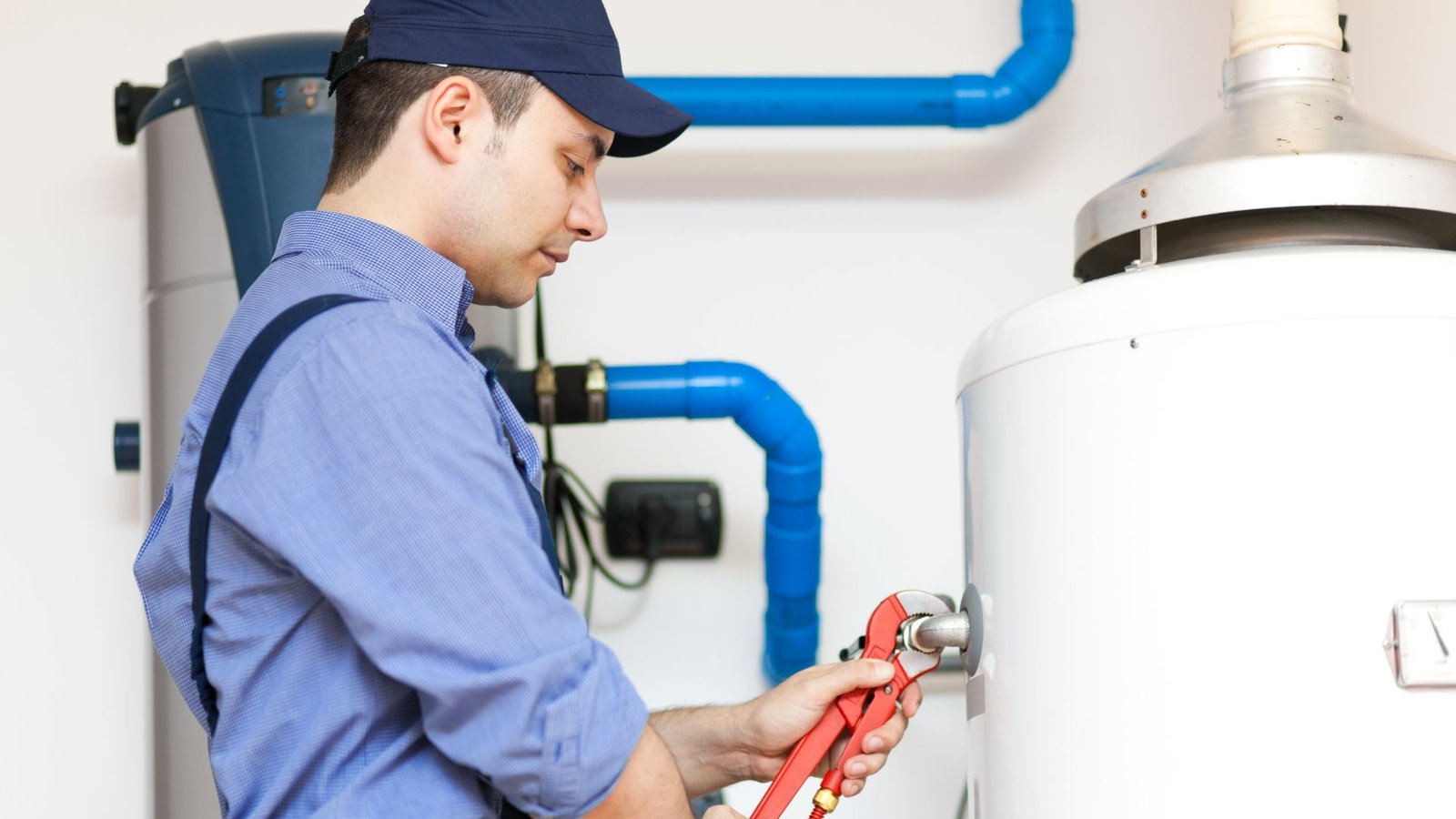
Signs your water heater is overdue for a flush
- Popping, rumbling, or crackling sounds during the heating cycle
- Hot water that runs out faster than it used to
- Water that looks slightly rusty or has sediment in it right after the tap is turned on
- It has been more than a year, or you cannot remember the last time it was flushed
- You are on well water, or your area is known for hard water, either of which speeds up sediment buildup
When to call a plumber instead of doing it yourself
A drain valve that will not open, or one that starts leaking once it is closed again, is common on tanks that have never been flushed and is worth having a plumber handle rather than forcing it. The same goes for a tank that has clearly never been maintained in many years, since a heavy sediment load can sometimes reveal a valve or fitting that has already started to fail underneath it. If your unit is tankless rather than a traditional tank, the maintenance and troubleshooting are different, see our tankless water heater guide instead.
Frequently asked questions
How often should I flush my water heater?
Can flushing a water heater damage it?
Is it normal for the water to look rusty when I first open the drain valve?
Does flushing help with a water heater that runs out of hot water quickly?
Not comfortable doing it yourself?
We flush, inspect, and service water heaters across Sandpoint, Coeur d’Alene, Post Falls, Hayden, and the wider North Idaho area, and we will let you know honestly if yours needs more than a flush. Call Believe Plumbing at (208) 690-4948 or get in touch. Regular plumbing maintenance is the cheapest way to avoid an emergency replacement later.
Fast. Honest. Local.
That’s Believe Plumbing.