How to Tell If Your North Idaho Home Needs a Water Softener
You probably need a water softener if you see white, chalky buildup on faucets and showerheads, spots on dishes that will not rinse off, soap that refuses to lather, and a water heater or dishwasher that wears out sooner than it should. Hardness is measured in grains per gallon, and a simple home test kit or a water test from a plumber will tell you where your water stands. If the number comes back high, a softener is the fix that protects everything downstream of it.
Hard water sneaks up on a house. Nothing floods, nothing breaks overnight, and the water looks perfectly clear at the tap. Then one day the showerhead is crusted over, every glass out of the dishwasher has a film on it, and the water heater has started rumbling. Across Bonner and Kootenai County, homes draw from private wells and from municipal systems, and hardness can vary a lot from one property to the next. The only way to know for sure is to test, but the signs below will tell you whether testing is worth your time.
If you already recognize a few of them, our water softener and filtration systems page explains what a whole-house system involves. The rest of this post covers how to confirm the problem, how a softener works, and when a filter is the better answer.
What Hard Water Actually Is
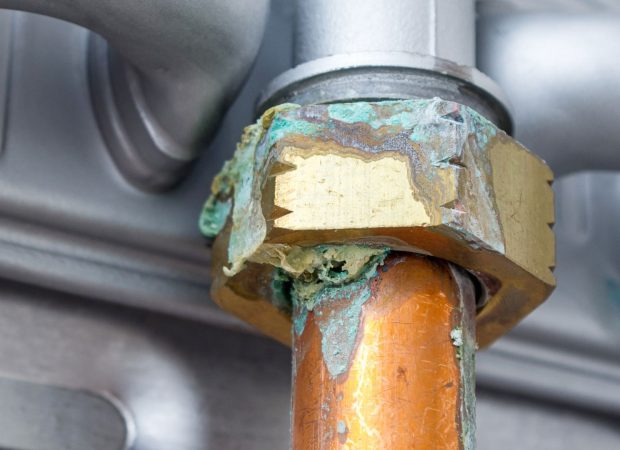
Water picks up dissolved minerals as it moves through soil and rock, mainly calcium and magnesium. The more it carries, the harder it is. Hard water is not unsafe to drink. The trouble is what those minerals do once the water is heated or evaporates: they drop out of solution and bond to whatever surface they touch. That is the scale you can see on fixtures, and the scale you cannot see inside your water heater, pipes, and appliance valves.
A test strip, a mail-in lab test, or a quick test from a plumber gives you a hardness number in grains per gallon. That number tells you whether a softener makes sense at all, and it is the main input for sizing one correctly.
Signs of Hard Water You Can Spot Without a Test Kit
White buildup on faucets, showerheads, and fixtures
A chalky white or gray crust forms around the base of the faucet, inside the aerator, and across the showerhead, and it comes back within weeks of scrubbing. If a showerhead sprays sideways or loses pressure, scale plugging the nozzles is the usual reason.
Hard water spots on dishes and glassware
Cloudy glasses and spotted silverware out of the dishwasher are mineral deposits left behind as the water dries. Rinse aids mask the problem but do not remove the minerals, and the same deposits are forming on the dishwasher’s heating element and spray arms.
Soap that will not lather, dry skin, and dingy laundry
Calcium and magnesium react with soap to form a sticky film instead of suds. You use more shampoo, dish soap, and detergent to get the same result, that film leaves skin feeling tight after a shower, and towels come out of the dryer scratchy because detergent never fully rinses out.
A water heater that pops, rumbles, or runs out early
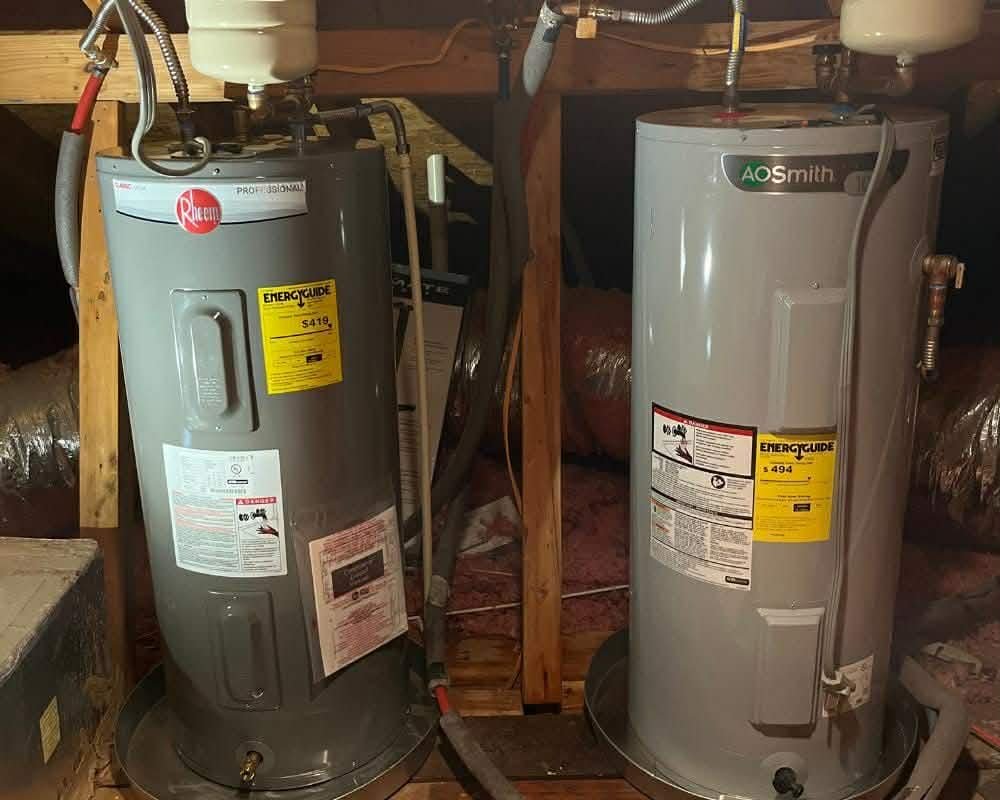
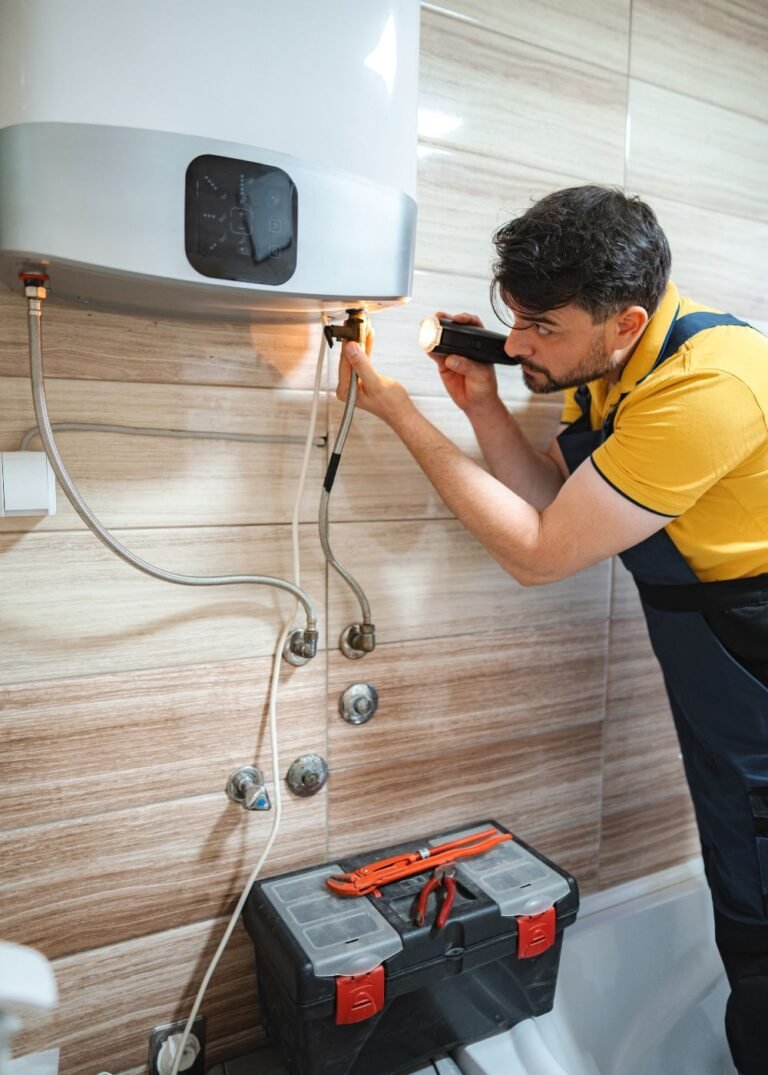
When hard water is heated, minerals settle to the bottom of a tank water heater as sediment. The burner has to heat through that layer, which causes popping and rumbling and makes the unit work harder than it should. In a tankless unit, scale coats the heat exchanger until it throws errors or delivers lukewarm water. If you have never flushed your tank, our guide on how to flush your water heater shows what comes out of one on hard water.
Hard Water vs. Soft Water: What Changes Once You Soften
Softened water is water with the calcium and magnesium removed. Soap lathers with far less product, glasses come out clear, fixtures stay clean, and so does the inside of your water heater. The water can feel slightly slick in the shower at first, which is what water feels like without minerals in it, not leftover soap. One thing softening does not do is filter. Sediment, iron, chlorine taste, and rotten egg odor are separate issues.
How Does a Water Softener Work?
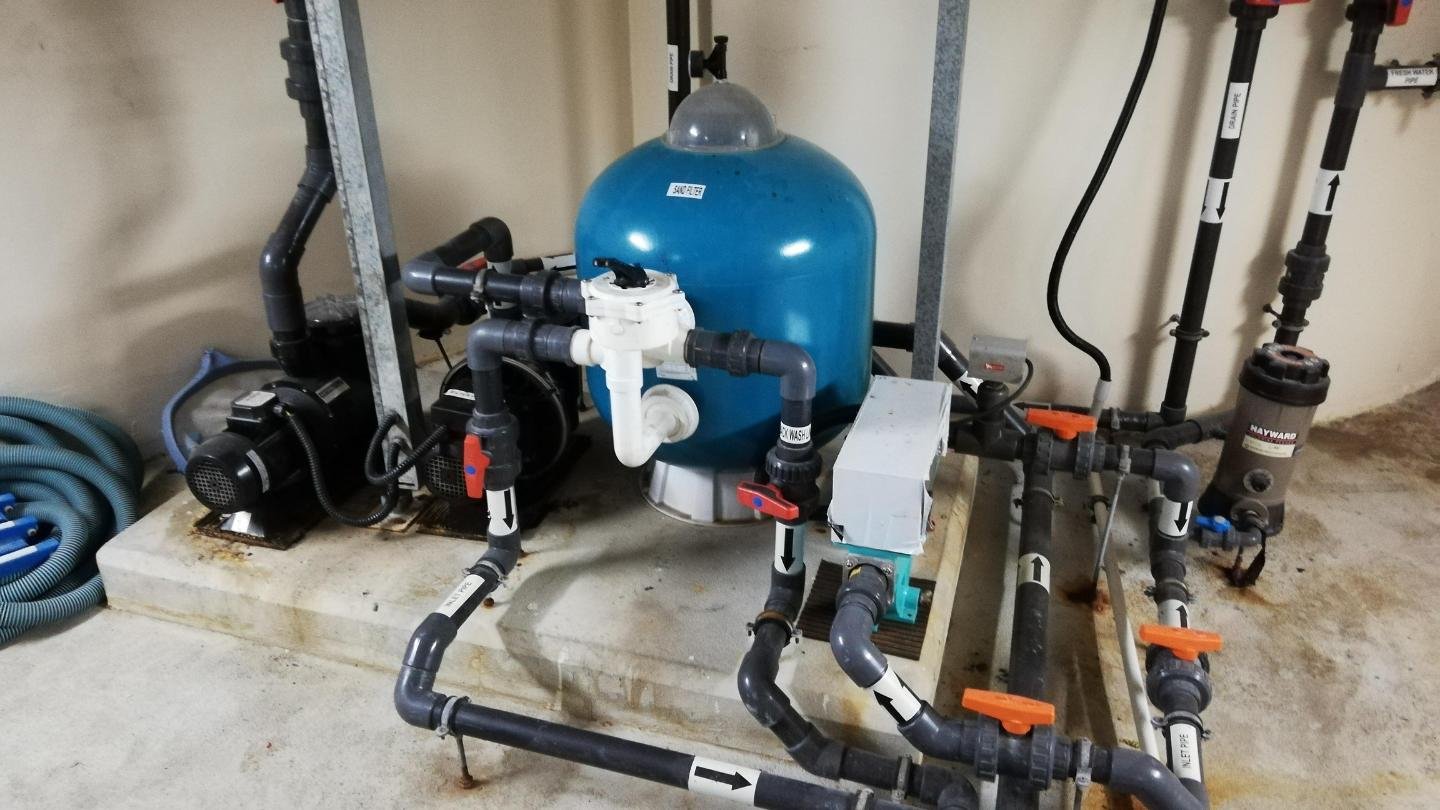
A conventional softener uses ion exchange. Inside the tank is a bed of small resin beads charged with sodium or potassium. As hard water passes through, calcium and magnesium ions stick to the resin and sodium or potassium ions are released in their place. The water leaving the tank is soft.
The resin can only hold so much. That is why there is a second tank, the brine tank, where you add softener salt. On a schedule, or when a meter says the resin is used up, the unit runs a regeneration cycle: it draws salty water through the resin, which strips off the hardness minerals and recharges the beads, then sends the rinse water to a drain.
Softeners are sized by grain capacity, which is how much hardness the resin can remove between regenerations. The right size depends on your hardness number, household size, and water use; too small wastes salt, too large sits idle between cycles. Local plumbing codes also govern how the drain line and bypass valve are set up, and those requirements vary, so a licensed plumber can confirm what applies to your home.
Water Softener vs. Water Filter: Which One Do You Need?
These solve different problems.
- A water softener removes hardness minerals. It fixes scale, soap scum, spotted dishes, and buildup inside water heaters and appliances.
- A sediment filter catches sand, silt, and rust particles before they reach your fixtures. Common on well water.
- A carbon filter improves taste and odor and reduces chlorine on municipal water.
- Iron and sulfur treatment addresses orange staining and the rotten egg smell some well water carries. If the smell is only in the hot water, the water heater itself may be the cause rather than the supply.
Plenty of North Idaho homes end up with both, especially on private wells: a whole-house filter ahead of the softener to protect the resin from sediment, and an under-sink filter at the kitchen tap for drinking water. Testing tells you which pieces you actually need.
“He showed up in less than an hour, they installed a hot water heater, and filter on our home the same day. Very professional!!”
How to Confirm It Before You Buy Anything
- Test the water. A test strip gives a rough reading in minutes. A lab test or a plumber’s test adds iron, pH, and other factors that affect which equipment makes sense.
- Pull an aerator off a faucet and look inside. Heavy white crust means the same thing is happening inside every valve in the house.
- Get a sizing recommendation. Share your test results and household size with a plumber so the softener is matched to your actual water.
Talk to Believe Plumbing About Your Water
Believe Plumbing installs, repairs, and maintains whole-house water softeners and filtration systems for homes in Sandpoint, Coeur d’Alene, Hayden, and across North Idaho, with upfront pricing before any work starts. If you are seeing scale, spotted dishes, or a struggling water heater, call (208) 690-4948 or reach out through the contact page and we will help you figure out what your water needs.
Frequently Asked Questions
How do I know if I need a water softener?
Is hard water bad for your health?
Does a water softener remove iron or a sulfur smell?
How much maintenance does a water softener need?
Fast. Honest. Local.
That’s Believe Plumbing.