Why Your Hot Water Smells Like Rotten Eggs, and How to Fix It
A sulfur smell in hot water can be pretty unpleasant. You turn on the shower expecting clean, fresh water, and suddenly the bathroom smells like rotten eggs.
Not exactly the relaxing shower you had in mind.
The good news is that this problem is usually easier to track down than it seems.
In this post, we’ll shed some light on why there’s a sulfur smell in hot water, if it’s safe to keep using, and how to fix it.
What Causes a Sulfur Smell in Hot Water?
#1 The Anode Rod Is Reacting With Sulfates in the Water
Your water heater has a component called an anode rod. Its job is to protect the inside of the tank from corrosion by attracting minerals and other elements that would otherwise attack the metal tank.
Many water heaters use magnesium anode rods.
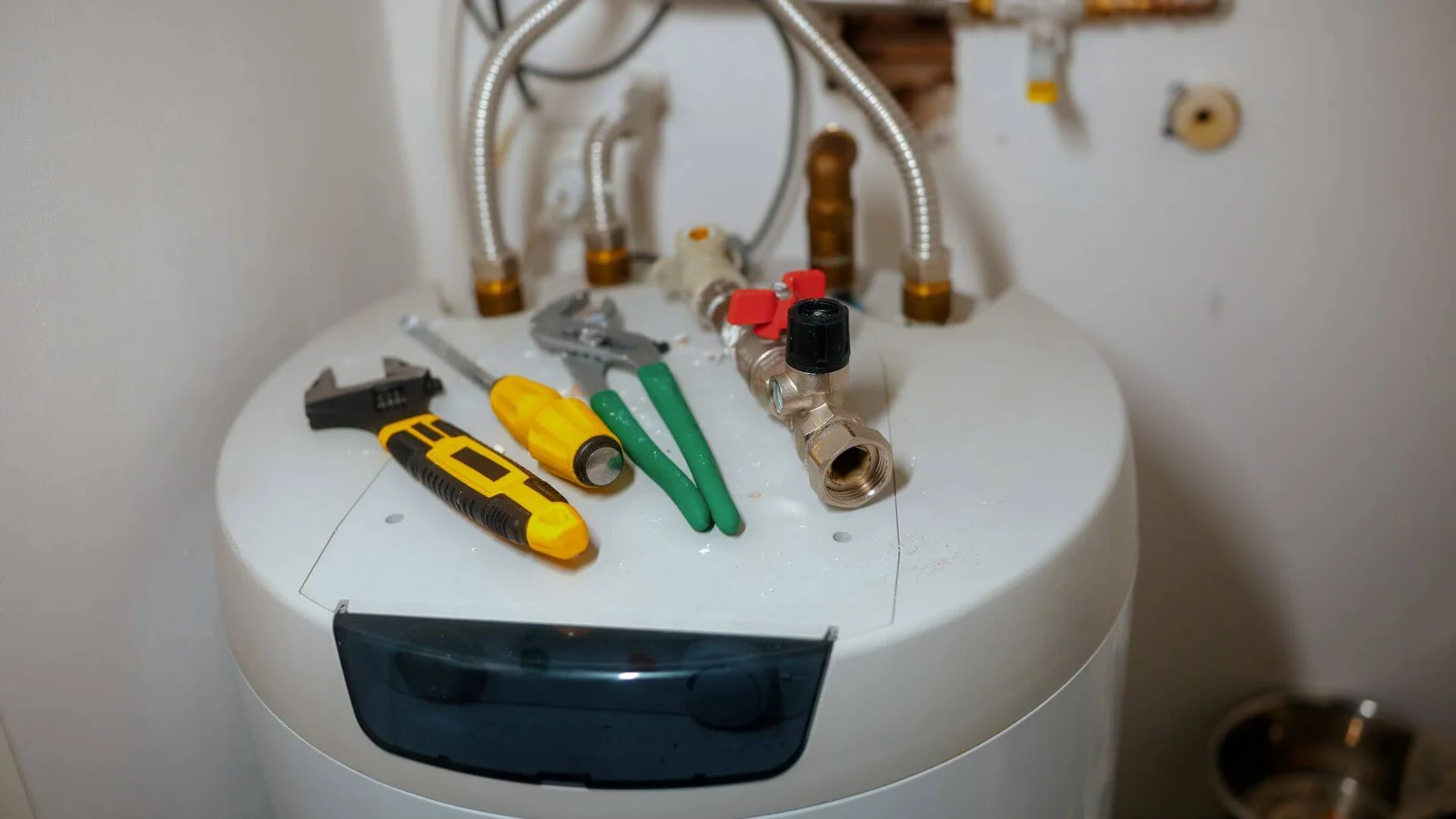
Magnesium can react with naturally occurring sulfates in the water. When that happens, the reaction can produce hydrogen sulfide gas, which has the familiar rotten egg smell.
This can happen even when your water looks perfectly clean.
You may notice the odor most strongly when you turn on a hot faucet or take a shower because heating the water can make the smell more noticeable.
Replacing the existing rod with a different type of anode rod can sometimes reduce or eliminate the sulfur smell in hot water.
Also Read: Toilet Flushes Slowly And Gurgles
#2 Sulfate-Reducing Bacteria Are Growing in the Tank
Bacteria can also be responsible for that rotten egg smell.
Certain naturally occurring bacteria, commonly called sulfate-reducing bacteria, can live inside a water heater and interact with sulfates in the water.
The bacteria can produce hydrogen sulfide as part of that process. Once enough of the gas builds up, you may notice the smell every time you run the hot water.
This does not automatically mean your water heater is dirty or dangerous. These bacteria can be present in water without causing an obvious problem, but the odor can be difficult to ignore.
Flushing and sanitizing the water heater can sometimes help.
#3 A Water Softener Is Speeding Up the Reaction
If you have hard water in your area, you might have a water softener installed to protect your pipes and make your soap lather better.
While softeners are great for keeping mineral scale off your fixtures, they can sometimes make a sulfur problem much worse.
Water softeners use salt to remove hard minerals, which increases the sodium content in your water. That extra sodium speeds up the chemical reaction taking place on your anode rod.
The rod corrodes faster, more electrons fly around, and the production of hydrogen sulfide gas goes into overdrive.
If you noticed the smell right after setting up a soft water system, the softener itself is likely acting as a catalyst for the stink.
Also Read: How to Flush Your Water Heater
#4 Hydrogen Sulfide Is Coming From Your Well Water
People living on private wells run into this issue far more often than folks on municipal city water systems.
Deep underground, groundwater moves through layers of soil and rock packed with natural minerals, including sulfur deposits and decaying organic plant matter.
Because well water does not go through a city treatment facility where chlorine kills off bacteria and removes excess gas, hydrogen sulfide can travel straight from the ground into your plumbing.
In some cases, the smell shows up in both the hot and cold water taps. If the cold water stinks too, the issue is coming directly from your well aquifer rather than your water heater.
Is It Safe to Use Hot Water That Smells Like Sulfur?
The short answer is yes, it is generally safe for daily household tasks.
Hydrogen sulfide gas smells strong even at extremely low concentrations, meaning your nose catches the scent long before the gas reaches a level that could harm your health.
Drinking a glass of it might taste terrible, but it will not poison you.
You can still use the water to wash dishes, run the laundry, or take a quick shower without worrying about toxic exposure.
However, keep in mind that high levels of hydrogen sulfide can tarnish silverware, stain plumbing fixtures, and corrode metal pipes over time.
Even if it is safe to touch, living with that smell is unpleasant, so you need to get rid of it.
Also Read: Tankless Water Heater Repair
How to Get Rid of the Sulfur Smell in Hot Water
The best solution depends on where the sulfur smell is coming from.
If the problem is inside the water heater, treating the water supply may not solve it. Likewise, replacing a water heater component will not fix sulfur entering the home through well water.
Here’s what we recommend:
- Replace the standard magnesium anode rod with an aluminum-zinc alternative or a powered anode rod to stop the reaction.
- Flush out the water heater tank completely to clear away settled sediment and accumulated bacterial colonies.
- Disinfect the tank using a temporary hydrogen peroxide flush to kill off lingering sulfur-reducing bacteria.
- Turn up the thermostat on your water heater to 140°F for a couple of hours to sanitize the tank, making sure to use caution so nobody gets scalded.

“Dillon came to flush our hot water tank. He was so pleasant to deal with. He was very good at explaining the problems that could affect the problem of inefficient hot water.”
When to Call a Plumber About a Rotten Egg Smell
A mild sulfur odor does not always require an emergency plumbing visit, but some situations deserve professional attention, like:
- The odor continues after flushing or servicing the water heater.
- The water heater is leaking, corroded, or making unusual noises.
- The smell suddenly becomes much stronger.
- You suspect the anode rod needs to be inspected or replaced.
- You notice discolored water, heavy sediment, or other changes in water quality.
- The odor is present in both hot and cold water and you need help identifying the source.
A plumber can inspect the water heater, check the anode rod, and determine if the tank needs cleaning or other service.
“Kevin was prompt, professional, friendly, knowledgeable and very kind! I thought my water heater was leaking, which it wasn’t thankfully. He even belly crawled under my house to make sure it was dry under the wh. It’s old and not up to code and he went out of his way to explain different options I could get done to update it.”
Bottom Line
A sulfur or rotten egg smell in hot water is caused by hydrogen sulfide gas, which is produced when naturally occurring sulfur-reducing bacteria react with the magnesium anode rod inside a water heater.
This reaction primarily occurs in warm, low-oxygen water tanks.
The most effective ways to eliminate the odor are flushing and sanitizing the tank, temporarily raising the water heater temperature to 140°F to kill the bacteria, or replacing the standard magnesium anode rod with an aluminum-zinc alloy rod.
Fast. Honest. Local.
That’s Believe Plumbing.