A North Idaho Winter Checklist for Keeping Your Pipes From Freezing
To keep pipes from freezing, insulate any water line that runs through an unheated space, disconnect and drain garden hoses, keep the house heated at a steady setting even when you are away, open cabinet doors under sinks on exterior walls, and let a faucet drip during a hard freeze. Know where your main water shutoff is before winter arrives, so a frozen or burst pipe stays a small problem instead of a flooded crawlspace.
Winters around Sandpoint and Hayden are not short cold snaps. We get long stretches below freezing, snow that buries hose bibs and vents, older homes with crawlspaces and detached garages, and cabins that sit empty for weeks. Frozen pipes are one of the most common winter calls in Bonner and Kootenai County, and almost all of them are preventable with an afternoon of work in the fall.
If a pipe has already split and water is running, skip ahead to the burst pipe section, shut off your main, and call our emergency plumbing line. For everyone else, here is the checklist.
Why Pipes Freeze and Burst
Water expands when it turns to ice, but the ice itself rarely splits the pipe. Pressure does the damage. The ice plug blocks the line, water keeps pushing against it from the supply side, and pressure builds between the blockage and the closed faucet until something gives. That is why the burst often shows up a few feet from where the pipe froze, and why opening a faucet during a freeze matters: it gives that pressure somewhere to go.
The pipes most likely to freeze are the ones that see cold air: crawlspaces, garages, attics, exterior walls, hose bibs, lines to detached shops, well pump houses, and the underside of manufactured homes.
The Pre-Winter Checklist (Do This in October)
1. Find and test your main water shutoff
The main shutoff is usually where the water line enters the house, often in the crawlspace, a utility room, or near the pressure tank on a well system. Find it, make sure it turns, show everyone in the household where it is, and have it replaced if it is stuck or corroded. A shutoff you cannot operate at midnight with water pouring through the ceiling is not a shutoff.
2. Disconnect hoses and drain outdoor faucets
A connected hose traps water inside the hose bib and the pipe behind it. Disconnect and drain every hose. If your outdoor faucets have an interior shutoff, close it and open the outside faucet to drain the line, then put an insulated cover on every hose bib.
3. Insulate exposed pipes in crawlspaces, garages, and attics
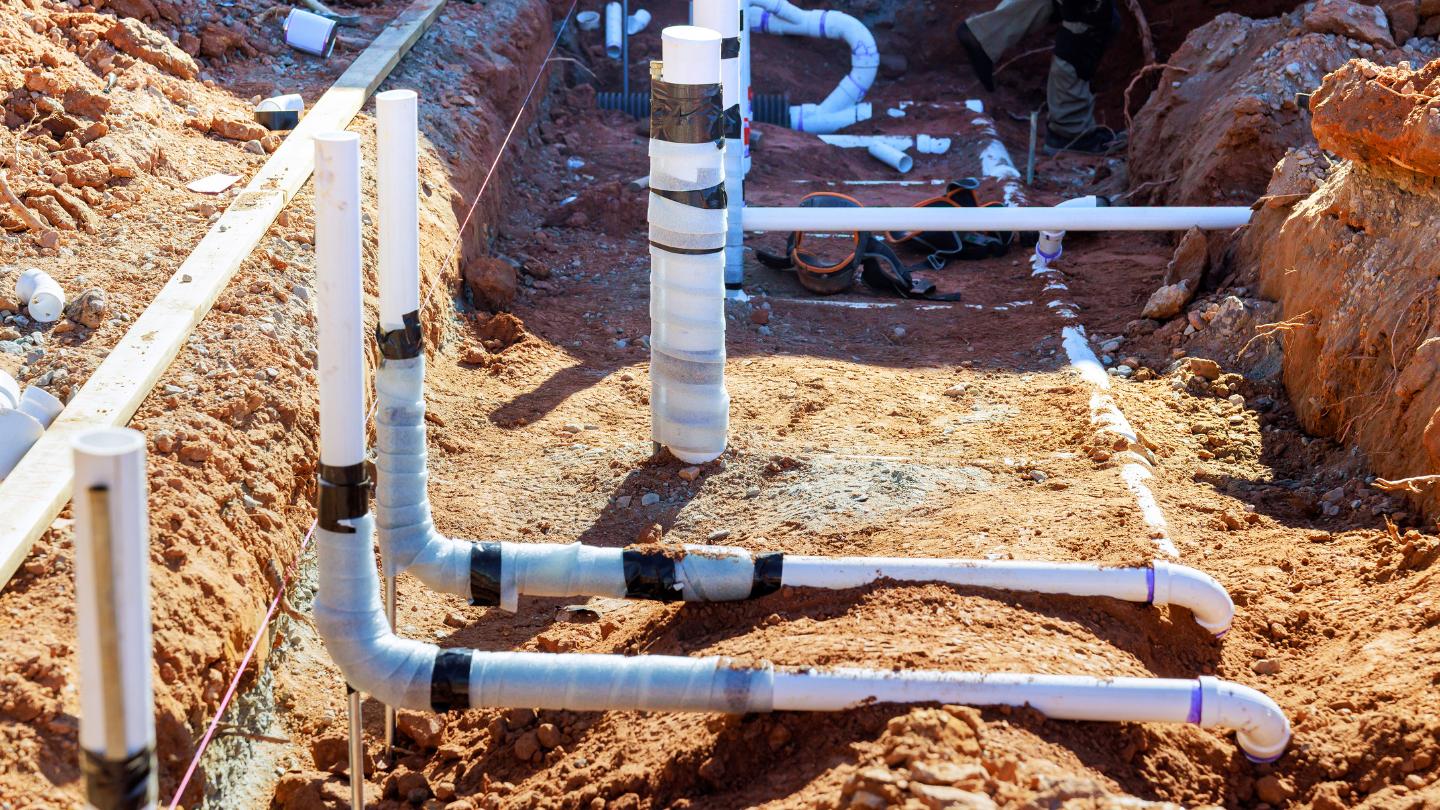
Foam pipe sleeves slide over exposed lines in minutes. Do not skip the elbows, the first few feet where a line enters from outside, or pipes along exterior foundation walls. For lines that have frozen before, listed heat tape or heat cable designed for water pipes adds active protection when installed per the manufacturer’s instructions.
4. Seal drafts around pipes
Moving cold air freezes a pipe faster than still air. Seal gaps where pipes pass through walls and floors, and make sure crawlspace access doors close tightly. Whether crawlspace vents should be closed for winter depends on how your home is built, so ask a plumber or building professional before sealing them.
5. Check the pump house and winterize irrigation
If you are on a well, the pump house or wellhead enclosure needs intact insulation and, in many cases, a small heat source you have confirmed is working. Sprinkler lines sit shallow and freeze early, so have the irrigation system drained or blown out and shut off its supply valve.
During a Hard Freeze: Daily Habits That Help
- Let a faucet drip. Pick the fixture farthest from where water enters the house, and any faucet served by pipes on an exterior wall.
- Open cabinet doors under sinks on exterior walls so warm room air reaches the supply lines.
- Keep the heat on at a steady setting overnight and while you are away. Turning it down to save on heating is a poor trade against a burst pipe.
- Leaving for more than a few days? Keep the heat running, consider shutting off the main and draining the lines, and ask someone to check the house during a cold snap.
Shallow or aging service lines between the street or well and the house can also freeze, and a dripping faucet will not fix that. If your main line has frozen before, our water line services page covers replacement and rerouting options.
Signs of a Frozen Pipe
- A faucet that produces a trickle or nothing at all.
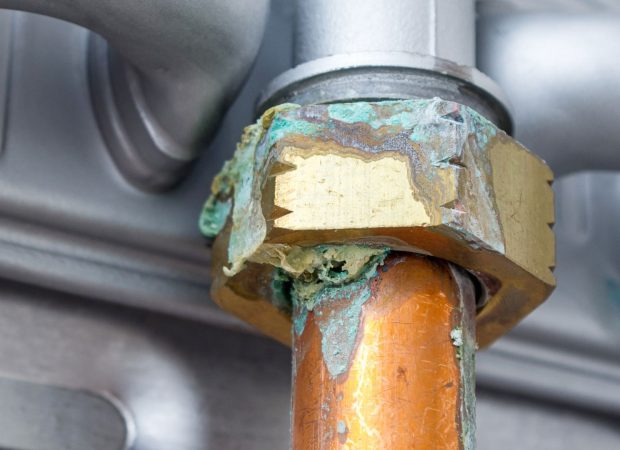
- Frost on the outside of an exposed pipe, or a section that looks bulged.
- Toilets or appliances that will not fill.
- Odd smells from drains, which can mean a drain or sewer line has frozen and is not clearing.
How to Thaw Frozen Pipes Safely
- Open the faucet served by the frozen pipe, both hot and cold. This relieves pressure and lets water flow as the ice melts.
- Find the frozen section. Follow the pipe back from the dead faucet toward the coldest area it passes through and feel for a section that is colder or frosted.
- Apply gentle heat. A hair dryer, warm towels wrapped around the pipe, or a portable space heater placed safely in the room all work. Start at the faucet end and work toward the blockage so melting water has a way out.
- Never use an open flame. No propane torches, no lighters, no heat guns on high. Open flame can ignite framing and insulation, and overheating a pipe can damage it or the fittings.
- Watch for leaks as it thaws. A pipe that split while frozen starts leaking the moment the ice lets go. Stay near your main shutoff.
- Stop and call if you cannot reach it. If the frozen section is inside a wall, under the slab, or in the service line, a plumber can locate and thaw it without tearing things apart.
“Was quick and efficient getting the pipes unfrozen.”
Burst Pipe? Here Is What to Do First
- Shut off the main water valve. This is why step one of the checklist matters.
- Open faucets to drain the lines and take pressure off the break.
- Stay away from electrical hazards. If water is near outlets, the panel, or appliances, do not step into it. Cut power to the area only if you can reach the breaker panel safely with dry hands and feet.
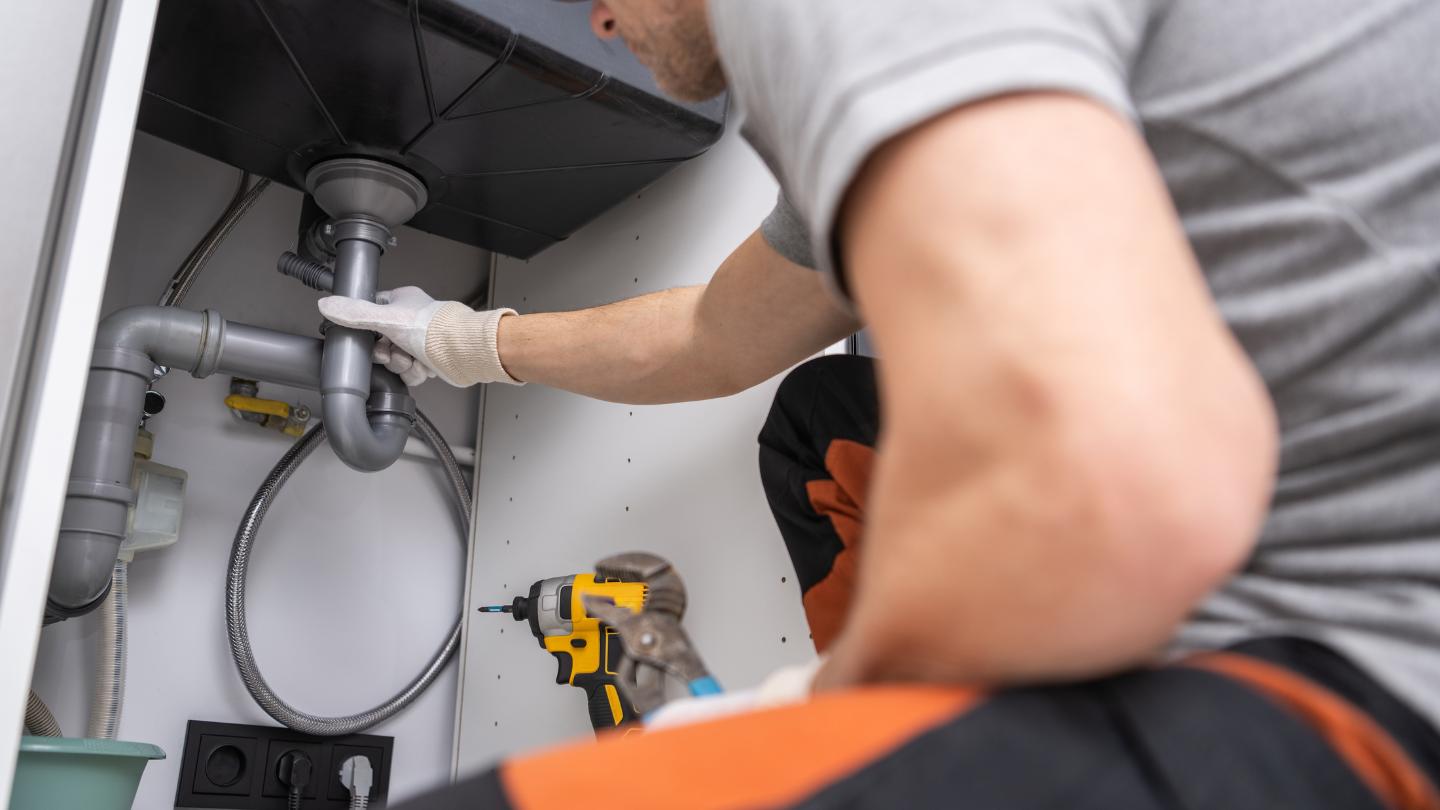
- Call a plumber. Even a small pinhole from a freeze needs a proper repair rather than tape. Our pipe leak repair service handles everything from a single split fitting to rerouting a line that keeps freezing in the same spot.
Frozen or Burst Pipe in Sandpoint or Hayden? Call Believe Plumbing
Believe Plumbing answers the phone around the clock and provides emergency plumbing across Sandpoint, Hayden, and North Idaho, with upfront pricing before any work begins. Whether you need a frozen line thawed, a burst pipe repaired, or help getting a house winter-ready, call (208) 690-4948 or reach out through the contact page.
Frequently Asked Questions
At what temperature do pipes freeze?
Should I let my faucets drip when it is cold?
Is heat tape safe to use on water pipes?
How do I protect a cabin or vacation home over the winter?
Fast. Honest. Local.
That’s Believe Plumbing.