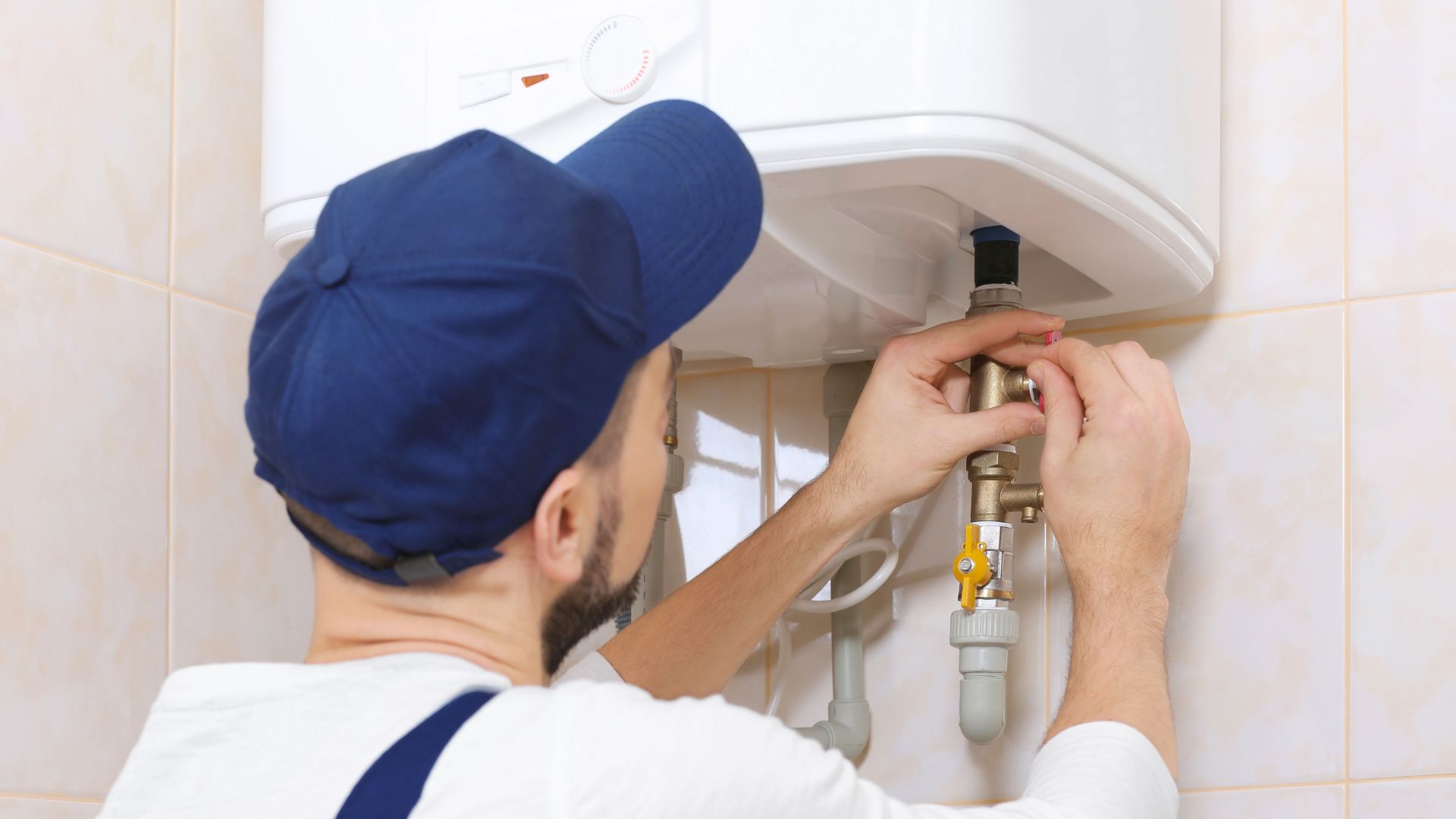
Tankless vs. Tank Water Heater: How to Choose for a North Idaho Home
A tank water heater stores a set amount of hot water and is the simpler option. A tankless unit heats water on demand, takes up far less space, and never runs out, but it has to be sized for the cold groundwater that reaches North Idaho homes in winter and it has to be kept clear of scale. If your household regularly runs out of hot water or you want the floor space back, tankless deserves a serious look. If you want the most straightforward replacement with the fewest changes to gas, venting, or electrical, a tank is still a solid choice.
Believe Plumbing repairs, replaces, and installs both tankless water heaters and conventional tank units, gas and electric, so this is not a pitch for one over the other. The right answer depends on your house, your water, and how your family uses hot water.
How Each Type Works
Tank (storage) water heaters
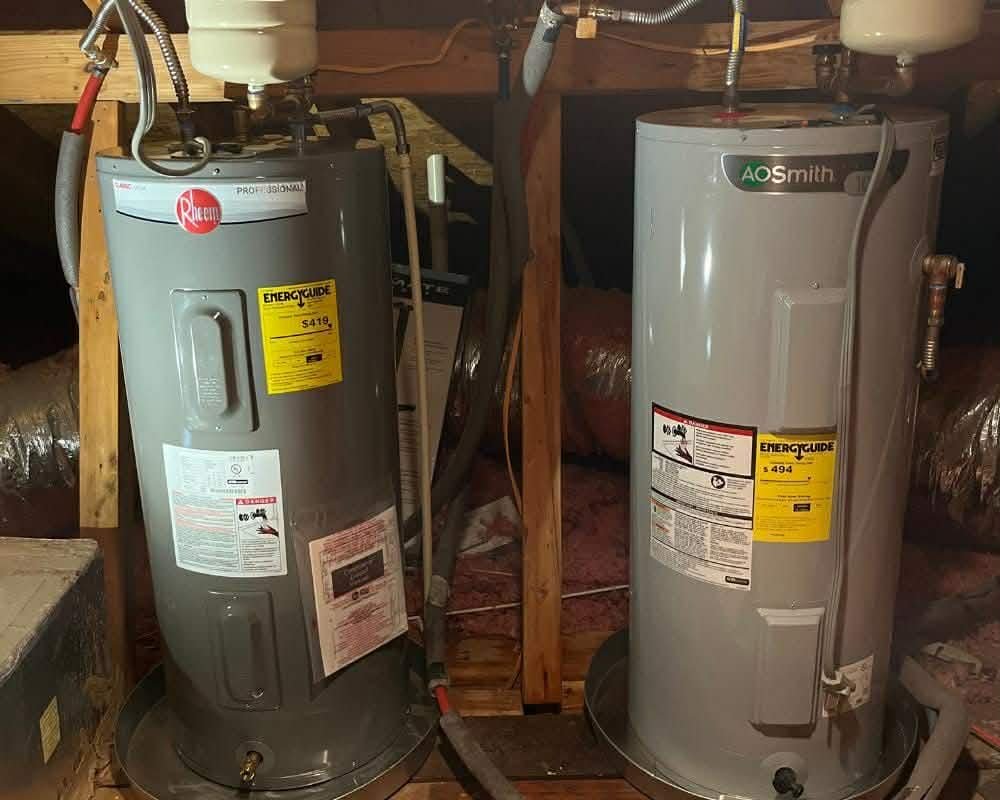
A tank heater holds a fixed volume of water and keeps it hot all day. A gas burner or electric elements heat the water, a thermostat cycles them, and an anode rod inside slowly sacrifices itself to slow corrosion of the steel tank. Open a hot tap and hot water leaves the top while cold water enters the bottom to be heated.
Tankless (on-demand) water heaters
A tankless unit has no storage. Open a hot tap and a flow sensor detects water moving, the burner or elements fire, and water is heated as it passes through a heat exchanger. Close the tap and the unit shuts off. It is rated by how many gallons per minute it can deliver at a given temperature rise, which is how far it has to lift the incoming water temperature.
Tankless Water Heater Pros and Cons
Where tankless wins:
- Hot water does not run out as long as demand stays within the unit’s flow rating.
- No standby loss from keeping a tank hot while nobody is home.
- Wall-mounted and compact, which frees up floor space.
- No tank to rust through, and most components are serviceable, so many problems are repairs rather than replacements.
Where tankless has drawbacks:
- Higher upfront installation cost, especially when the gas line, venting, or electrical service needs upgrading.
- Flow is limited. Running the shower, dishwasher, and washing machine at once can push a unit past what it can deliver.
- It needs annual descaling, and more often on hard water. Skip it and performance drops.
- A low-flow faucet may not reach the minimum flow needed to trigger the unit.
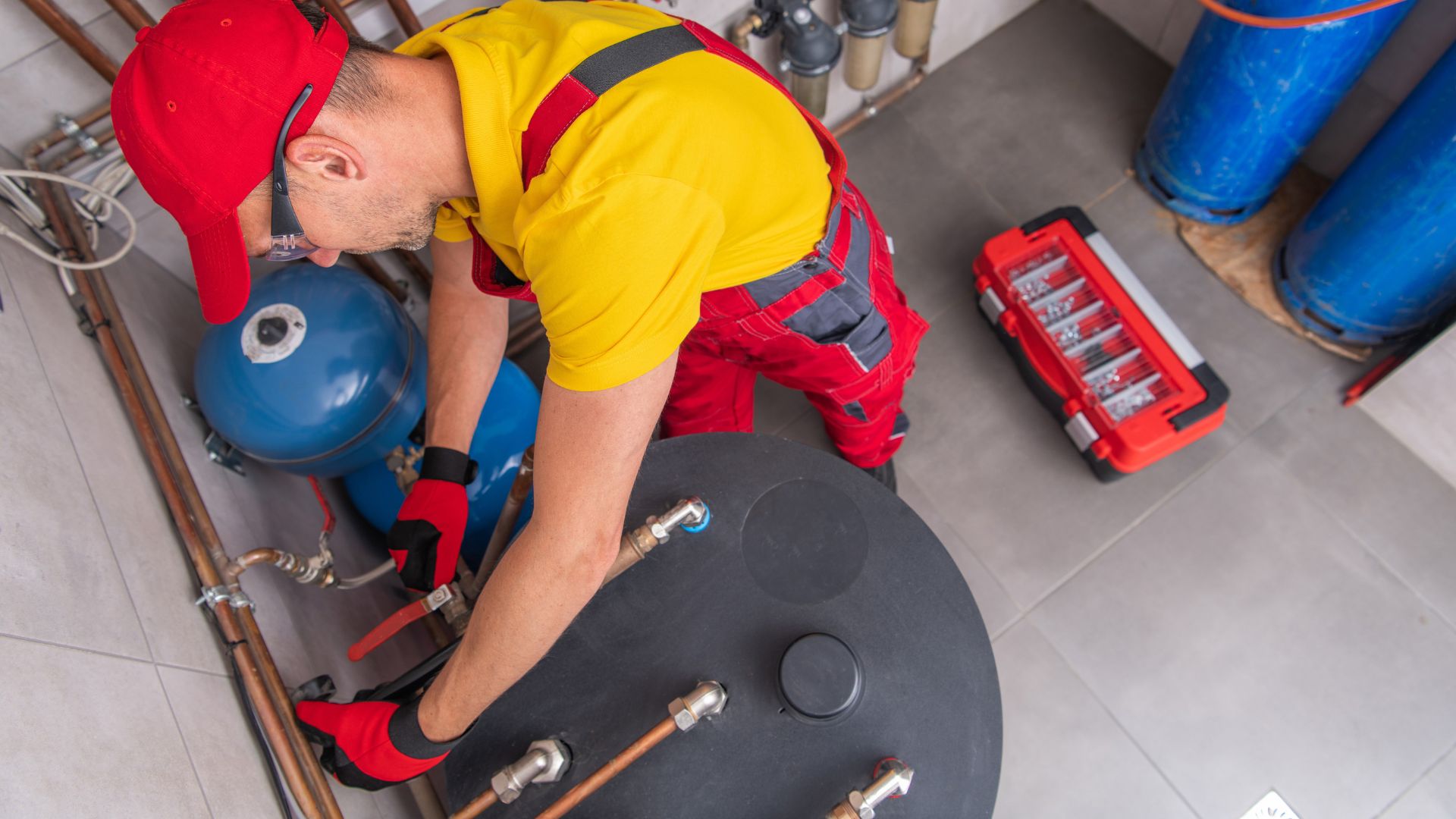
Tank Water Heater Pros and Cons
Where a tank wins:
- Lower upfront cost and the simplest swap when you are replacing a tank with a tank.
- Delivers full flow to several fixtures at once until the stored hot water is used up.
- Works with the existing gas line, venting, and electrical in most homes.
Where a tank has drawbacks:
- Hot water runs out, and recovery takes time.
- Takes up floor space, and sediment from hard water shortens its life and makes it noisy.
- When the tank corrodes through, the only fix is replacement.
The Cold-Climate Question: Tankless in North Idaho Winters
A tankless unit does not store heat. In summer, the groundwater entering a Sandpoint or Hayden home is relatively mild. In deep winter it arrives much colder, so the unit has to lift it much further to reach the same shower temperature. Because its heating capacity is fixed, it does the only thing it can: it reduces flow to hold temperature.
A tankless heater sized from a mild-climate chart feels great in July and disappointing in January. The fix is to size for the coldest incoming water you will actually see, not the yearly average, and to be honest about how many fixtures run at once. Tankless is not a poor choice here. It just means the sizing conversation has to happen with someone who installs these units through local winters. Two more winter notes: vent terminations on exterior walls can be blocked by drifting snow, and on condensing units the condensate drain can freeze if it runs through an unheated space.
Gas vs. Electric: What Your Home Can Support
Fuel type often decides the question before anything else does.
- Gas tankless units demand far more gas while running than a tank heater does. Converting from a gas tank to gas tankless frequently means upsizing the gas line and installing dedicated venting. Our gas line services page covers that work.
- Propane is used on some rural properties. Tankless units are available for it, but the supply line and regulator must be sized for the unit’s demand.
- Electric tankless units draw very high amperage, and many homes lack the panel capacity for one without an electrical upgrade, which can tip the decision back toward a tank or a gas unit.
Hard Water, Maintenance, and How Long Each Type Lasts
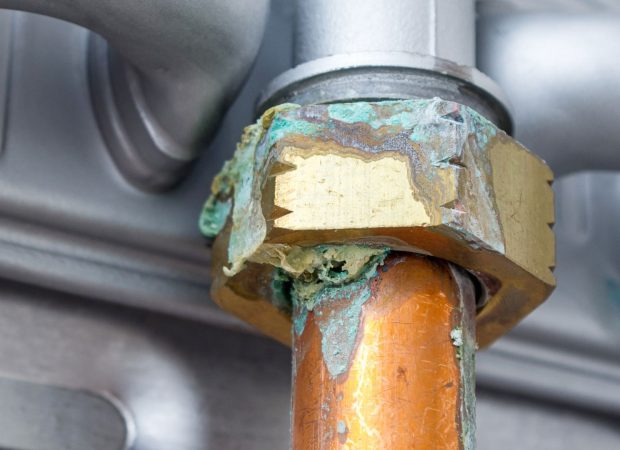
Many homes in the area are on private wells and hardness varies widely across the region, so plenty of water heaters here are fighting mineral scale. In a tank, hard water settles as sediment that insulates the burner and causes popping and rumbling. In a tankless unit, scale coats the heat exchanger until it throws error codes or runs lukewarm. A softener ahead of the water heater protects it and every fixture downstream. Beyond that, a tank needs an annual flush and an anode rod inspection, and a tankless unit needs an annual descaling flush, more often on very hard water. Manufacturers generally tie their warranty to that maintenance.
As for lifespan, water quality and upkeep matter more than the type. A tank heater’s life is limited by the tank itself: once it corrodes through, it is done. A well-maintained tankless unit is generally expected to outlast a tank because its core parts can be serviced or replaced. If your current heater is already acting up, our water heater repair and replacement page explains how we evaluate whether it is worth fixing.
Which One Is Right for Your Home?
Tankless is a strong fit if:
- You run out of hot water regularly.
- Space is tight.
- You have, or are willing to add, the gas supply or electrical capacity it needs, and you will keep up with annual descaling.
A tank is a strong fit if:
- You need the simplest, fastest replacement with the fewest changes to the house.
- Your panel or gas line cannot support a tankless unit without an upgrade you would rather not do.
“They came highly recommended and didn’t disappoint, Jakob installed a on demand hot water heater with all the bells and whistles,very clean and professional and easy to work with”
Ready to Compare Options? Call Believe Plumbing
Believe Plumbing installs and services tank and tankless water heaters, gas and electric, for homes in Sandpoint, Hayden, Coeur d’Alene, and across North Idaho. We give you upfront pricing before any work begins, same-day service is often available, and financing options through our third-party partners are available for qualified customers. Call (208) 690-4948 or reach out through the contact page and we will help you size the right unit for your home.
Frequently Asked Questions
Is a tankless water heater worth it?
How long do water heaters last?
Can a tankless water heater keep up in a cold climate?
Can I switch from a tank water heater to tankless?
Fast. Honest. Local.
That’s Believe Plumbing.